Crabgrass is one of the most common summer weeds in Virginia lawns. It spreads fast, fills in weak areas, and can make a healthy-looking lawn turn patchy by the middle of the season. For many homeowners, the frustrating part is that crabgrass often comes back year after year.
If you are searching for crabgrass control in Virginia or wondering how to get rid of crabgrass in Moseley, VA, the best place to start is with the condition of your lawn. Crabgrass is easier to prevent before it grows than it is to remove after it has spread. With the right combination of weed control, fertilization, aeration, mowing, and soil care, your lawn can become thicker and less inviting to summer weeds.
Why Crabgrass Takes Over in Summer
Crabgrass thrives in warm weather, which is why it becomes such a problem during Virginia summers. Once soil temperatures rise, crabgrass seeds can begin to germinate and spread through thin or stressed areas of the lawn. It often shows up first along driveways, sidewalks, curb edges, and sunny bare spots.
The main issue is that crabgrass takes advantage of weak turf. If your lawn is thin, compacted, underfed, or cut too short, crabgrass has more room to grow. Lawn health services like fertilization, weed control, aeration, and soil amendments can help address the conditions that allow crabgrass to spread.
Crabgrass often spreads because of:
- Thin or weak turf
- Bare spots in the lawn
- Compacted soil
- Mowing the grass too short
- Heat and drought stress
- Missed pre-emergent weed control
- Inconsistent lawn maintenance
Why Virginia Lawns Are Prone to Crabgrass
Virginia lawns often deal with hot summers, heavy sun exposure, and periods of dry weather. These conditions can stress the grass and create openings where weeds can move in. When lawns are already struggling, crabgrass can spread quickly.
Properties in Moseley and surrounding areas may also have compacted soil, uneven growth, or lawns recovering from pest damage. If the lawn does not have strong roots and thick turf coverage, crabgrass can keep returning. That is why crabgrass prevention lawn care should include weed control, fertilization, aeration, soil support, and routine mowing.
Common lawn conditions that invite crabgrass include:
- Weak root systems
- Poor soil health
- Thinning grass
- Open soil near hard surfaces
- Bare areas from pests or foot traffic
- Lack of seasonal fertilization
- Lawn stress from improper mowing
How Weed Control Helps Prevent Crabgrass
Weed control is one of the most important services for managing crabgrass. Pre-emergent weed control helps stop crabgrass seeds before they grow, while post-emergent weed control can help address weeds that are already visible. The right timing depends on the season and the condition of your lawn.
Pre-emergent weed control in Virginia works best when it is applied before crabgrass begins to germinate. If it is applied too late, the weed may already be active and harder to manage. A professional lawn care schedule helps make sure weed control is handled before crabgrass becomes a summer problem.
Weed control can help with:
- Crabgrass prevention
- Existing summer weeds
- Weed pressure in thin turf areas
- Weed growth along driveways and sidewalks
- Seasonal lawn protection
- A cleaner, healthier-looking lawn
Why Fertilization Matters for Crabgrass Prevention
Fertilization helps strengthen the grass so it can compete better against crabgrass. A thick, healthy lawn leaves less open soil where weed seeds can settle and grow. When grass is underfed, it often becomes thin, weak, and easier for crabgrass to overtake.
Fertilization is not a quick fix for crabgrass by itself, but it plays an important role in long-term prevention. When paired with weed control, it helps your lawn recover from stress and fill in weak areas. This gives crabgrass fewer opportunities to spread during the hottest part of the year.
Fertilization supports crabgrass prevention by helping:
- Improve turf density
- Strengthen grass growth
- Fill in thin lawn areas
- Support healthier color
- Reduce open space for weeds
- Improve overall lawn performance
How Aeration Can Help Weak or Compacted Lawns
Compacted soil can make it harder for grass roots to grow deeply. When roots struggle, the lawn becomes weaker and more vulnerable to weeds like crabgrass. Aeration helps loosen compacted soil so air, water, and nutrients can move more effectively into the root zone.
This is especially helpful for lawns with heavy foot traffic, dense soil, or areas that stay thin year after year. Aeration can support stronger grass growth and better recovery when it is done at the right time. For crabgrass prevention, it works best as part of a broader lawn health plan that also includes fertilization and weed control.
Aeration may be helpful if your lawn has:
- Hard or compacted soil
- Thin grass growth
- Poor root development
- Heavy traffic areas
- Water that runs off instead of soaking in
- Repeated weed problems in the same spots
How Soil Amendments Support a Healthier Lawn
Poor soil can make it difficult for grass to grow thick enough to fight off weeds. If the soil is not supporting healthy turf growth, crabgrass may continue to return even after weed treatments. Soil amendments can help improve growing conditions so the lawn has a better foundation.
A lawn care plan that includes soil support can be especially useful for properties with weak growth, uneven color, or recurring bare spots. When the soil improves, the grass has a better chance to develop strong roots and fuller coverage. This helps reduce the open areas where crabgrass usually starts.
Soil amendments can help with:
- Poor growing conditions
- Weak turf development
- Uneven lawn health
- Recurring bare patches
- Lawn recovery after stress
- Better long-term turf strength
Why Mowing and Maintenance Make a Difference
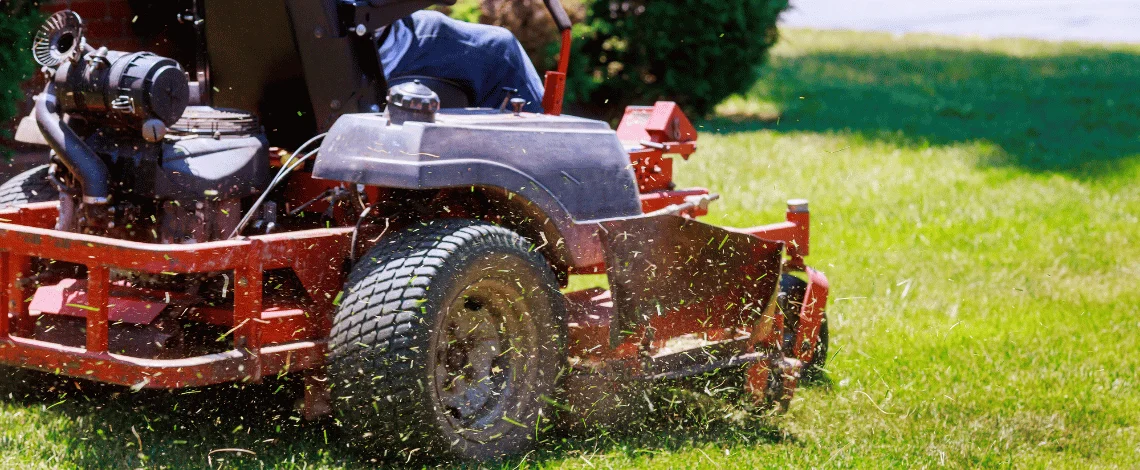
Mowing too short can weaken the lawn and expose more soil to sunlight. Crabgrass loves open, sunny areas, so scalped lawns can quickly become weed-prone. Regular lawn mowing and maintenance help keep the grass at a healthier height and reduce unnecessary stress.
Routine maintenance also helps keep the property cleaner and more manageable throughout the growing season. Services like lawn mowing, trimming, yard cleanups, and lawn landscape maintenance can support the overall health and appearance of the lawn. When paired with lawn health services, maintenance helps create a stronger defense against crabgrass.
Good lawn maintenance helps by:
- Reducing lawn stress
- Keeping turf at a healthier height
- Improving curb appeal
- Limiting neglected weed-prone areas
- Supporting consistent lawn growth
- Keeping the property easier to manage
Pre-Emergent vs. Post-Emergent Crabgrass Control
Pre-emergent and post-emergent treatments are not the same. One helps prevent crabgrass before it grows, while the other helps manage crabgrass after it appears. Both can be useful depending on the timing and condition of your lawn.
The best crabgrass control plan often uses both approaches at the right time. Prevention helps reduce future weed growth, while active treatment helps manage existing crabgrass. When paired with proper lawn care, these treatments can help your lawn recover and stay healthier.
Treatment Type | When It Is Used | What It Does | Best For |
Pre-emergent weed control | Before crabgrass grows | Helps prevent crabgrass seeds from germinating | Long-term crabgrass prevention |
Post-emergent weed control | After crabgrass appears | Targets active crabgrass growth | Existing weed problems |
Fertilization | During the growing season | Supports thicker and stronger turf | Weak or thinning lawns |
Aeration | When soil is compacted | Helps improve root growth and soil movement | Compacted lawns |
Soil amendments | As needed | Helps improve lawn growing conditions | Poor soil health |
Lawn mowing | During the growing season | Helps maintain proper lawn height | Reducing turf stress |
When to Call a Professional for Crabgrass Control
You should consider professional help if crabgrass keeps returning every summer. You should also call a lawn care provider if crabgrass is spreading across large areas, filling in bare patches, or growing heavily along driveways and sidewalks. These are signs that the lawn may need more than a one-time weed treatment.
Willmarth Property Services can help homeowners address crabgrass with a more complete lawn care approach. Instead of only treating what is visible, we can help improve the conditions that allow weeds to take over. Services like weed control, fertilization, aeration, soil amendments, and routine lawn maintenance can work together to build a healthier lawn.
Stop Crabgrass Before It Takes Over Again
Crabgrass takes over Virginia lawns when warm weather, weak turf, and missed prevention converge. Once it spreads, it can be frustrating to control and may continue returning each summer. The best solution is a proactive lawn care plan that focuses on prevention, turf health, and regular maintenance.
If you need crabgrass control in Virginia or want to know how to get rid of crabgrass in Moseley, VA, Willmarth Property Services can help. Contact us today to schedule lawn care services and get a plan designed to help stop crabgrass for good.