Spring can bring a fresh start for your lawn and landscape, but Virginia yards often need cleanup before the growing season really begins. After winter, lawns and planting beds may be covered with leaves, branches, dead plant material, and early weeds. Taking care of the right tasks first helps your property look cleaner and gives your grass, shrubs, and landscape beds a healthier start.
For homeowners in Moseley, Midlothian, and nearby Virginia communities, spring cleanup is not just about making the yard look neat. It also prepares the property for mowing, mulching, seasonal planting, lawn care, and regular maintenance. This checklist outlines what should happen first to get your yard ready for spring.
Start With a Full Property Walkthrough
Before any cleanup begins, walk the property and look for signs of winter damage. Check the lawn, landscape beds, shrubs, trees, walkways, driveway edges, and drainage areas. This first step helps you understand what needs attention before the season gets busy.
During your walkthrough, look for:
- Fallen branches, sticks, and twigs
- Matted leaves or wet debris
- Bare or thinning lawn areas
- Early weeds in turf or beds
- Broken shrub branches
- Washed-out mulch
- Standing water or soft spots
This walkthrough helps you avoid doing tasks out of order. For example, you do not want to add fresh mulch before beds are cleaned, and you do not want to mow before sticks and leaves are removed.
Clear Debris and Check the Lawn
The first major spring lawn cleanup task is removing winter debris from the yard. Leaves, branches, pine needles, and dead plant material can block sunlight and hold moisture against the grass. If they sit too long, they can leave the lawn thin, patchy, or uneven.
Once the debris is gone, lightly rake areas where the grass looks flat, damp, or matted. This helps lift the grass and improves airflow near the soil surface. It also makes it easier to spot thin grass, muddy areas, and other lawn issues before the first mow.
This part of cleanup should include:
- Lawn areas
- Curb lines
- Walkways
- Patios
- Driveway edges
- High-traffic outdoor areas
Clean and Prepare Landscape Beds
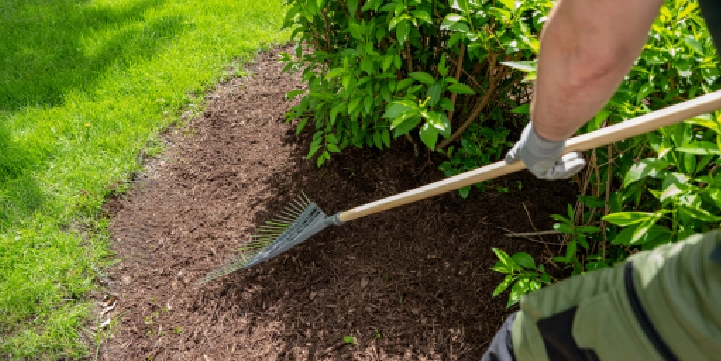
After the lawn is cleared, move on to the landscape beds. Old leaves, dead stems, weeds, and leftover mulch can make planting areas look messy. Cleaning the beds first creates a better foundation for mulch, seasonal flowers, and fresh landscape updates.
For a spring yard cleanup checklist in Moseley, VA, bed cleanup should include removing debris and reshaping bed edges where needed. Clean bed lines help separate turf from planting areas and give the property a more polished look. This step is especially important before adding fresh mulch.
Bed preparation may include:
- Removing leaves and dead plant material
- Pulling visible weeds
- Cleaning around shrubs and trees
- Redefining bed edges
- Checking where mulch has washed out
- Preparing areas for fresh mulch or flowers
Trim Dead or Damaged Shrub Growth
Once the beds are cleaned out, check shrubs for broken, dead, or damaged growth. Winter weather can leave branches cracked, weak, or uneven. Removing damaged growth helps shrubs look cleaner and allows healthy new growth to stand out.
Not every shrub should be heavily trimmed in early spring. Some flowering shrubs can lose blooms if they are pruned at the wrong time. Willmarth Property Services can help evaluate what should be trimmed now and what should wait until later in the season.
Address Early Weeds Before They Spread
Spring weeds can start growing quickly as temperatures warm up. If weeds are showing up in beds, lawn edges, cracks, or thin turf areas, they should be handled before they spread. Early weed control is much easier than trying to fix a larger problem later.
Common spring weed trouble spots include:
- Landscape bed edges
- Bare or thin lawn areas
- Driveway and walkway cracks
- Mulch beds with light coverage
- Areas where grass is weak or compacted
Weed control works best when the yard is already cleaned up. Removing debris first gives treatments and maintenance a better chance to work properly.
Refresh Mulch, Edges, and Seasonal Color
Fresh mulch should come after bed cleanup, trimming, and weed removal. Winter rain and wind can wash mulch away, especially near downspouts, slopes, and open bed edges. Adding mulch too early can trap debris underneath, so it is best to prepare the beds first.
Mulch helps improve curb appeal, protect plant roots, and reduce weed pressure. Redefining edges before mulch installation also helps keep the material in place and makes the beds look sharper. For many spring landscaping tasks in Midlothian, VA, mulch and seasonal flowers are among the most noticeable improvements.
Prepare for the First Mow and Ongoing Maintenance
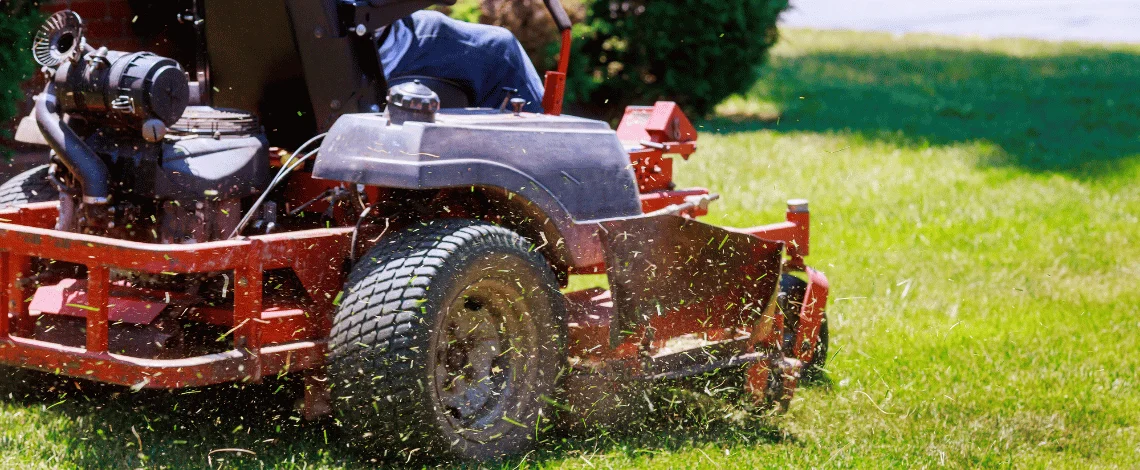
The first mow should happen after the lawn is cleaned, raked, and checked for problem areas. Mowing over sticks, leaves, and damp debris can damage equipment and leave the yard looking uneven. It can also make cleanup harder by chopping debris into the grass.
Before the first mow, make sure:
- Sticks and branches are removed
- Wet leaf piles are cleared
- Matted grass is lightly raked
- Lawn edges are visible
- Grass is dry enough to cut
- Bare or soft areas are noted
Starting with a clean lawn helps mowing look more even and professional. It also gives your lawn care team a better surface to maintain throughout spring.
Follow the Right Spring Cleanup Order
Spring cleanup works best when each task supports the next one. If the order is rushed, homeowners may end up doing the same work twice. A cleaner sequence helps your lawn and landscape move into the growing season with fewer problems.
| Cleanup Priority | What to Do | Why It Matters |
| 1 | Walk the property | Finds winter damage and problem areas |
| 2 | Clear debris and rake matted grass | Opens the lawn to sunlight and airflow |
| 3 | Check lawn damage | Helps identify thin, muddy, or compacted areas |
| 4 | Clean and edge landscape beds | Prepares beds for mulch and planting |
| 5 | Trim damaged shrubs | Removes broken or unhealthy growth |
| 6 | Address early weeds | Helps stop weeds before they spread |
| 7 | Refresh mulch and seasonal color | Improves curb appeal and protects beds |
| 8 | Start mowing and maintenance | Begins the season with a cleaner lawn |
When to Schedule Spring Cleanup in Virginia
Most Virginia homeowners should schedule spring cleanup once the worst of winter has passed and the yard is dry enough to work on. Starting too early can damage soft soil, but waiting too long can allow weeds and debris problems to build up. The best timing depends on the weather, property conditions, and the extent of cleanup needed.
In Moseley, Midlothian, and nearby areas, spring cleanup is often best completed before regular mowing and landscape maintenance begin. This gives your lawn, shrubs, and beds a clean reset before growth speeds up. Scheduling early also helps homeowners get ahead of the busy spring season.
Get Help With Spring Lawn and Landscape Cleanup
A clean spring landscape takes more than a quick rake and first mow. Your property may need debris removal, lawn cleanup, bed preparation, shrub trimming, edging, mulch refreshes, and early weed attention before it is ready for the season. Taking care of these tasks in the right order helps your yard look better and stay easier to maintain.
Willmarth Property Services helps homeowners in Moseley, Midlothian, and nearby Virginia communities prepare their lawns and landscapes for spring. From spring lawn cleanup and landscape bed preparation to tree and shrub services, we can help your property recover from winter and look ready for the months ahead. Contact us today to schedule spring lawn and landscape cleanup for your Virginia home.